Bob Harper Low Carb Diet

Bob Harper Low Carb Diet

By now, you probably know at least a dozen people on keto, the popular diet that calls for a lot of fat and very few carbohydrates. But what if you want to lose weight without totally abandoning carbs? That's where the Super Carb Diet comes in.

The Super Carb Diet is the brainchild of celebrity trainer Bob Harper, of Biggest Loser fame. Harper suffered a heart attack in 2017, which led him to reevaluate his whole lifestyle. The star traded heavy lifting for cardio, overhauled his diet, and went on to publish a book later that year: The Super Carb Diet: Shed Pounds, Build Strength, Eat Real Food.

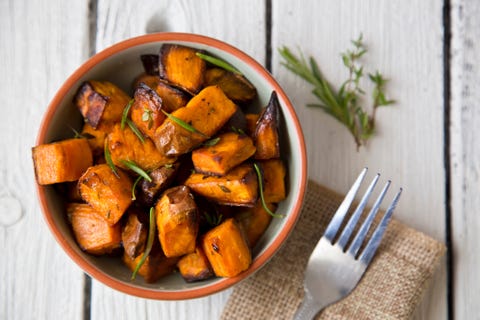
Roasted Sweet Potatoes Super Carb Diet

Julia Murray / EyeEm

What is the Super Carb Diet?

The program focuses on balancing protein with plenty of fiber from complex carbohydrates and a limited amount of fat. The idea is to help you lose weight without feeling deprived of your precious carbs.

"It's a balanced plate of all of your macronutrients," Harper explained to KUSA-TV.

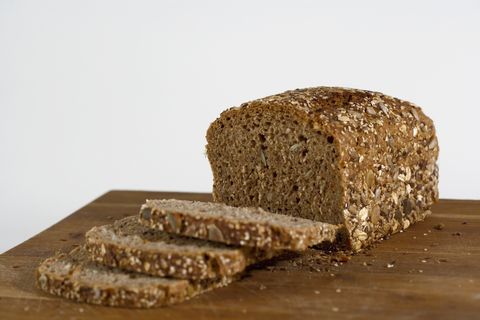
That doesn't mean you can hit up the Olive Garden for unlimited breadsticks. Harper recommends eating "Super Carbs," or fiber-dense carbohydrates that take longer to digest. (An example would be whole grain breads or sweet potatoes.) Meanwhile, you'll need to stay away from what Harper calls "Carbage," or empty carbs that are easily transported into the blood system. These leave you hungry and yearning for more food.

"You need to be careful about those things you know you shouldn't be eating," Harper told WREG News in Memphis, Tennessee. "It's those chips, the movie popcorn, the cookies and the white bread. Lead more toward those complex carbohydrates that are filled with fiber."

This content is imported from YouTube. You may be able to find the same content in another format, or you may be able to find more information, at their web site.

Here are the main Super Carb Diet rules:

  • Eat three meals a day, plus one mini — or "floater" — meal
  • A sample meal for a 180-pound man should consist of roughly 160 calories from carbs, 136 calories from protein, 135 calories from fat and 75 calories from vegetables, for a total of 506 calories per meal
  • The "floater" meal should consist of 136 calories from protein and 135 calories from fat
  • Sleep seven to nine hours each night
  • Weigh yourself and take waist measurements

    These are some Super Carb Diet foods:

    Although this is not a complete list, here's an idea of the kinds of carbs Harper says it's okay to eat:

    • Quinoa pasta
    • Lentil pasta
    • Brown rice pasta
    • Oatmeal
    • Sweet potato
    • Brown rice
    • Whole grain bread
      whole wheat bread super carb diet

      Junior Gonzalez

      The Super Carb Diet vs. the Keto Diet

      When asked how the Super Carb Diet compares to the ketogenic diet, Harper told WREG News that high-fat diets can be detrimental to weight loss if you don't follow them to the tee.

      "If you're trying to lose weight, then you really do have to watch your fat intake," he said. "If you're eating a really high fat diet like that, you have to make sure you are following it to the letter of the law. If you start to incorporate any sort of complex carbohydrate in that diet plan, your body will store all that fat."

      Of course, he doesn't rule out eating healthy fats like avocado and nuts completely.

      "There are all these really good fats that I want you to eat, but I don't want you to eat them in abundance," he said. "I want you to find a balance."

      Of course, as with any diet, the best one is a plan that you'll be able to follow.

      Health Writer Melissa Matthews is the Health Writer at Men's Health, covering the latest in food, nutrition, and health.

      This content is created and maintained by a third party, and imported onto this page to help users provide their email addresses. You may be able to find more information about this and similar content at piano.io

      Bob Harper Low Carb Diet

      Source: https://www.menshealth.com/nutrition/a23336496/bob-harper-super-carb-diet/

      Share:

      Low Carb Diet Plan For Beginners

      Low Carb Diet Plan For Beginners

      Photo Courtesy: zoranm/E+/Getty Images

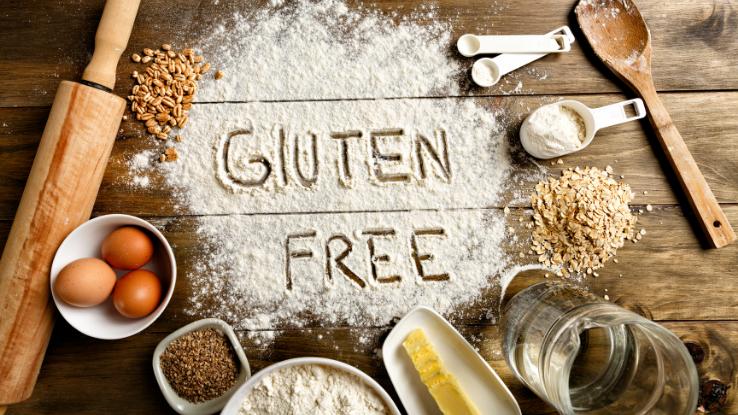
      Gluten is a protein found in products derived from wheat, barley, and rye. It is well established that the consumption of gluten triggers the onset of the digestive disorder celiac disease. Starting and maintaining a gluten-free diet is the only way to effectively manage the symptoms associated with celiac disease. This diet regimen is also necessary for those suffering from a food allergy to wheat and wheat products.

      Today, many people who are not diagnosed with celiac disease or a wheat allergy are still opting for gluten-free diets. Many believe that eating a gluten-free diet may help them lose weight, increase their energy, or ameliorate their headaches. However, the evidence for these associations is primarily anecdotal. In fact, researchers do not recommend following a gluten-free diet unless you have been diagnosed with celiac disease or have a gluten sensitivity (wheat allergy).

      Nonetheless, maintaining a gluten-free diet can get complicated — and it may result in vitamin and nutrient deficiencies. To coincide with National Celiac Disease Awareness Day, we're providing a starting point for folks diagnosed with celiac disease and wheat allergies, so that they can maintain a balanced diet while accounting for their digestive health.

      Foods To Avoid

      To start a gluten-free diet, you must avoid foods and drinks containing the following:

      • Wheat
      • Bulgur
      • Farina
      • Graham flour
      • Kamut
      • Rye
      • Semolina

      Some commonly prepared foods can contain gluten:

      • Bread
      • Cakes and pies
      • Cereals
      • Cookies
      • Crackers
      • Oats
      • Pasta

      When consuming processed foods, it is essential to search for a label indicating gluten-free ingredients since gluten can also be found, rather unexpectedly, in prepared foods such as:

      • Croutons
      • Gravy
      • Dressings
      • Beers
      • Imitation meats or seafood
      • Processed luncheon meats
      • Soups
      • Candy

      Moreover, gluten is not only found in edible products. It may also be found in the following products that are commonly found in your home. These include:

      • Shampoo, conditioner, and styling products
      • Lipstick and lip balms
      • Medications and vitamins
      • Play-dough
      • Toothpaste

      Essential Foods For A Gluten-Free Diet

      The following is a list of grains and starches recommended for a gluten-free diet:

      • Amaranth
      • Buckwheat
      • Corn
      • Cornmeal
      • Gluten-free flours (rice, soy, corn, potato, bean)
      • Polenta
      • Quinoa
      • Rice
      • Tapioca

      Other great gluten-free foods include:

      • Fruits
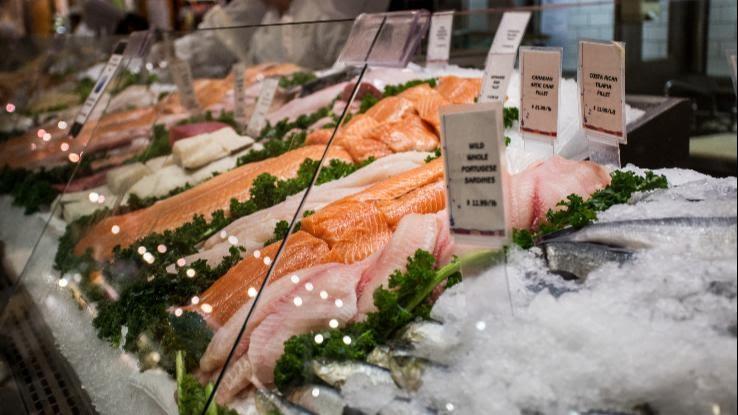
      • Fresh meats, fish, and poultry
      • Milk and most dairy products
      • Potatoes
      • Rice
      • Vegetables
      • Wine and distilled liquors

      Moreover, an increasing number of gluten-free products, such as bread, pasta, beer, or brownies, are becoming available with gluten-free substitutes. These are often available at specialty grocery stores or online.

      Pitfalls Of Gluten-Free Diet

      Many grains are enriched with vitamins. Therefore, following a gluten-free diet may result in low levels of specific vitamins and nutrients. Some common deficiencies associated with a gluten-free diet include:

      • Calcium
      • Fiber
      • Thiamin
      • Riboflavin
      • Niacin
      • Folate

      Your doctor or dietician may recommend supplements to increase your levels of these vitamins and nutrients.

      Photo Courtesy: apomares/E+/Getty Images

      Tips For Maintaining A Gluten-Free Diet

      Strictly Shop Gluten-Free: While in the grocery store, try to avoid processed foods. Instead, buy products like fresh fruits, fresh vegetables, frozen produce, beans, nuts, seeds, fresh meat, fresh poultry, fresh or frozen seafood, eggs, dairy products, and fresh herbs. Additionally, choose gluten-free flour, rice or corn pasta, corn tortillas, and gluten-free bread.

      Check Your Medications (and Other Non-Food Products) for Gluten: Gluten is often utilized in medicines to bind pills together. Ask your pharmacist or call the drug manufacturer directly to check if any of the medications you are taking contain gluten.

      Maintain a Gluten-Free Zone in the Kitchen: Cross-contamination with gluten may occur where ingredients come together, such as on a cutting board or a grill surface. You can also be exposed to gluten by using the same kitchen utensils as others or sharing the same condiment containers — the condiment bottle may touch the bun, or a knife with bread crumbs may contaminate a margarine stick or mustard jar.

      Be Careful When Dining Out: Some restaurants today may offer a gluten-free menu. If this is not the case, be sure to ask which items are gluten-free. Ideally, try looking for restaurants that operate gluten-free kitchens to avoid any chance of cross-contamination. Apps like Find Me Gluten Free can help you take extra care when choosing a restaurant.

      Resource Links:

      • "A Review on the Gluten-Free Diet: Technological and Nutritional Challenges" via Nutrients, U.S. National Library of Medicine
      • "The Gluten-Free Diet: Fad or Necessity?" via Diabetes Spectrum, American Diabetes Association, U.S. National Library of Medicine
      • "Health Benefits and Adverse Effects of a Gluten-Free Diet in Non–Celiac Disease Patients" via Gastroenterology & Hepatology, U.S. National Library of Medicine
      • "Gluten-free diet: is it really always beneficial?" via Kare Publishing, U.S. National Library of Medicine
      • "Navigating the Gluten-Free Boom: The Dark Side of Gluten Free Diet" via Frontiers in Pediatrics, U.S. National Library of Medicine

      MORE FROM SYMPTOMFIND.COM

      Low Carb Diet Plan For Beginners

      Source: https://www.symptomfind.com/health/guide-creating-gluten-free-diet-plan?utm_content=params%3Ao%3D740013%26ad%3DdirN%26qo%3DserpIndex

      Share:

      Low Carb Gastroparesis Diet

      Low Carb Gastroparesis Diet

      If you have gastroparesis, working with your healthcare team to help manage symptoms is essential. While medical treatment is usually part of the plan, nutrition can also play a very important role.

      What is gastroparesis?

      When you swallow your food while eating, it travels down your esophagus and into your stomach. Your stomach is an important site of digestion where acid and contractions help break down your food before it moves to your intestines.

      Gastroparesis is characterized by delayed stomach emptying. If you have gastroparesis, food stays in your stomach for longer than it's supposed to. This can cause a variety of symptoms that can severely affect your quality of life.

      What are the signs and symptoms of gastroparesis?

      Symptoms of gastroparesis can range from mild to severe, depending on the case. The following are just some of the signs and symptoms to look out for:

      • Nausea/vomiting
      • Feeling full early in a meal
      • Regurgitation of food (undigested food coming up)
      • Acid reflux/heartburn
      • Abdominal pain/bloating
      • Loss of appetite

      Serious cases of gastroparesis can also lead to changes in blood sugar levels and weight loss.

      What causes gastroparesis?

      In many cases, the causes of gastroparesis are unknown. It's usually related to damage to the vagus nerve, which is the nerve that controls the muscles in your stomach. Nerve damage from diabetes or stomach and intestinal surgery can also cause gastroparesis.

      How do you test for gastroparesis?

      The gold standard test for diagnosing gastroparesis is the gastric emptying scintigraphy. During the test, you will eat a meal that contains a small amount of radioactive material. This helps doctors test your gastric emptying rate.

      Additional tests for those with suspected gastroparesis include upper GI endoscopy, ultrasound, and upper GI series (x-rays) to help look for other conditions.

      Medical treatments for gastroparesis

      Medical treatments for gastroparesis include:

      • Medications to stimulate stomach the muscles – Metoclopramide (Reglan) and erythromycin
      • Medications for nausea and vomiting – Prochlorperazine (Compro), diphenhydramine (Benadryl, Unisom), ondansetron (Zofran)
      • Placement of a gastric stimulator (often called a "pacemaker")

      In serious cases, tube feeding or IV nutrition may be needed if the person is not able to meet their calorie needs or is malnourished.

      Nutrition for gastroparesis

      The cornerstone of nutrition for gastroparesis is to be aware of the factors that can delay gastric emptying.

      • Liquids – Thin liquids travel faster from the stomach to the intestines than thick liquids and solids.
      • Fiber – Fiber slows down gastric emptying, so those with gastroparesis should keep fiber intake low.
      • Fat – Higher fat foods slow down gastric emptying. Carbohydrates pass through the stomach the quickest, followed by proteins.
      • Food temperature – Hot foods move through the stomach quicker than cold foods.

      The 3-Step Diet

      If you are experiencing severe nausea and vomiting, your doctor may recommend a 3-step diet to help control symptoms and get you to maintenance. The progression of the diet must be supervised by your healthcare provider.

      Step 1: Only clear liquids are allowed to help prevent dehydration. This step typically lasts for no more than 3 days.

      Step 2: Small amounts of fat are allowed (~40 grams per day). High fat liquids like milkshakes may also be tolerated at this time. This step may last 1-2 weeks.

      Step 3: This step limits fat to about 50 grams per day and is low in fiber. It's designed to be for long-term maintenance of your gastroparesis. Some doctors may keep meat intake low during step 3 and add lean meats to a 4th step.

      Maintenance diet for gastroparesis

      • Eat 6 or more small meals per day
      • Sit up for 1 hour after eating
      • Chew your food
      • Limit fat
      • Limit fiber
      • Puree nuts and seeds (eat these in moderation, as they are high in fat)
      • Avoid beverages with a high alcohol concentration alcohol like gin, vodka, rum, tequila because these can slow gastric emptying.

      Gastroparesis Diet

      Category Examples
      Fruits & Vegetables
      • Smoothies
      • Fruit and vegetable purees
      • Pureed vegetables soups
      • Well-cooked (de-skinned) vegetables
      • Canned or frozen fruit and vegetables
      Starches
      • Peeled and mashed potatoes
      • White bread, pastas, noodles
      • Refined cereals
      • White rice

      *Avoid whole grains

      Proteins
      • Low fat or fat-free dairy products (milk, yogurt, cheese
      • Lean meat and poultry (no skin, fat-trimmed, can be ground meat)
      • Eggs and egg whites
      • Fish, shellfish
      • Creamy nut/seed butters (in moderation due to fat content)
      Fats and Oils
      • Any BUT limit to 50 grams of fat total per day

      Dietary changes can play a large role in the management of your gastroparesis symptoms. If the dietary recommendations feel overwhelming, schedule an appointment with a registered dietitian who can help you fit them into your daily routine.

      Katelyn Collins, RD is a registered dietitian specializing in irritable bowel syndrome (IBS) and digestive health. Katelyn's personal experience with IBS first sparked her passion for nutrition and health. Since then, she has been a vocal advocate for the digestive health community and has dedicated her own nutrition practice to serving those with digestive conditions.

      Low Carb Gastroparesis Diet

      Source: https://gastrogirl.com/nutrition-for-gastroparesis/

      Share:

      10 Day Low Carb Diet

      10 Day Low Carb Diet

      Low-carb diets are holding steady in the weight-loss world as the top diet for losing weight. And while some research suggests that a combination of a low-calorie and low-carb diet can be effective for weight loss, if you end up going too low in carbs, you can actually make weight loss harder for yourself. There are some strong arguments regarding how many carbs in a low-carb diet actually make it effective for weight loss, but the truth is you don't have to go as low as the keto and Whole30 diets suggest to get weight-loss benefits. In this 30-day low-carb diet meal plan, we show you what a healthy low-carb diet for weight loss looks like, with a full month of delicious low-carb breakfast, lunch, dinner and snack ideas.

      When you cut carbs from your diet (like whole grains, legumes, certain fruits and starchy vegetables), you also end up cutting fiber, as those carb-containing foods provide the majority of fiber in the diet. Since fiber helps keep you feeling full and satisfied after meals, we want to be sure you're still getting enough each day. Plus, carbohydrates themselves provide a lot of important nutrients, some of which are really difficult to get from other foods (like vitamin D and calcium found in dairy products). With that in mind, we kept this meal plan low in carbs but not so low that you'd miss out on these important nutrients. You'll still see healthy carb-containing foods in this plan (like fruit, Greek yogurt and beans) along with healthy low-carb foods (like lean protein and healthy fats) that combine to create an easy-to-to follow 30-day low-carb meal plan for weight loss.

      30-Day Low-Carb Meal Plan: 1,200 Calories

      Whether you follow this meal plan exactly as it's laid out or simply use it as an inspirational guide for following a healthy low-carb diet, we're sure you'll find it helpful. Couple this healthy meal plan with regular exercise and you're on track to lose a healthy 1 to 2 pounds per week.

      Week 1

      Week 1

      How to Meal-Prep for Your Week of Meals:

      1. Make the Low-Carb Blueberry Muffins. Wrap airtight and refrigerate in a large reusable bag (To buy:amazon.com, $20 for 1) to have for breakfast on Days 2 and 3. Freeze the remaining muffins to have later in the month. To reheat, remove plastic wrap, wrap in a paper towel and microwave on High for 30 to 45 seconds.
      2. Prep the Vegan Burrito Bowls with Cauliflower Rice recipe to have for lunch on Days 2, 3, 4 and 5. Store in an air-tight container to keep fresh all week long. (To buy:amazon.com, $26 for 5—you'll use these every single week this month!)

      Day 1

      Shrimp Scampi Zoodles

      A.M. Snack: 1 medium orange (62 calories, 15 g carbs)

      P.M. Snack: 1/2 cup raspberries (32 calories, 7 g carbs)

      Dinner: 1 serving Shrimp Scampi Zoodles with 1 (3-inch) slice whole-wheat baguette, toasted and drizzled with 1 tsp. olive oil (508 calories, 47 g carbs)

      Daily Totals: 1,201 calories, 56 g protein, 94 g carbohydrates, 23 g fiber, 71 g fat, 1,859 mg sodium.

      Day 2

      Vegan Burrito Bowls with Cauliflower Rice

      A.M. Snack: 1 medium orange (62 calories, 15 g carbs)

      P.M. Snack: 2 plums (61 calories, 15 g carbs)

      Daily Totals: 1,215 calories, 59 g protein, 92 g carbohydrates, 26 g fiber, 73 g fat, 1,635 mg sodium.

      Day 3

      Chicken Florentine

      A.M. Snack: 3/4 cup raspberries with 1/4 cup dollop of whole-milk plain Greek yogurt (110 calories, 14 g carbs)

      P.M. Snack: 12 almonds (92 calories, 3 g carbs)

      Dinner: 1 serving Chicken Florentine served over 2 cups cooked spaghetti squash (459 calories, 29 g carbs)

      Daily Totals: 1,224 calories, 73 g protein, 91 g carbohydrates, 27 g fiber, 63 g fat, 1,459 mg sodium.

      Day 4

      3 Ways to Limit Processed Foods (& The Ones You Should Keep In Your Diet)

      Breakfast: 1 cup raspberries topped with 1/2 cup whole-milk plain Greek yogurt & 1 Tbsp. each shredded unsweetened coconut & slivered almonds (260 calories, 23 g carbs)

      A.M. Snack: 1 cup red grapes and 1 oz. Cheddar cheese (218 calories, 28 g carbs)

      P.M. Snack: 1 plum (30 calories, 8 g carbs)

      Daily Totals: 1,216 calories, 70 g protein, 92 g carbohydrates, 24 g fiber, 68 g fat, 1,272 mg sodium.

      Day 5

      Asian Beef and Cabbage Salad

      Breakfast: 1 cup raspberries topped with 1/2 cup whole-milk plain Greek yogurt & 1 Tbsp. each shredded unsweetened coconut & slivered almonds (260 calories, 23 g carbs)

      A.M. Snack: 1 medium apple and 1 oz. Cheddar cheese (209 calories, 26 g carbs)

      P.M. Snack: 1 cup red grapes and 12 almonds (145 calories, 17 g carbs)

      Meal-Prep Tip: Refrigerate 1 serving of the dinner salad to have for lunch on Day 6.

      Daily Totals: 1,211 calories, 61 g protein, 113 g carbohydrates, 29 g fiber, 62 g fat, 1,471 mg sodium.

      Day 6

      Hummus-Crusted Chicken

      Breakfast: 1 serving Two-Ingredient Banana Pancakes topped with 1 Tbsp. maple syrup & 1/2 cup blueberries (260 calories, 48 g carbs)

      A.M. Snack: 1 oz. Cheddar cheese (115 calories, 6 g carbs)

      P.M. Snack: 1 medium apple (95 calories, 25 g carbs)

      Daily Totals: 1,206 calories, 81 g protein, 123 g carbohydrates, 22 g fiber, 48 g fat, 1,493 mg sodium.

      Day 7

      spaghetti squash with roasted tomatoes beans and almond pesto

      Breakfast: 1 serving Two-Ingredient Banana Pancakes topped with 1 Tbsp. maple syrup & 1/2 cup blueberries (260 calories, 48 g carbs)

      A.M. Snack: 2 plums (61 calories, 15 g carbs)

      P.M. Snack: 8 almonds (62 calories, 2 g carbs)

      Daily Totals: 1,218 calories, 50 g protein, 124 g carbohydrates, 24 g fiber, 65 g fat, 1,198 mg sodium.

      Week 2

      Week 2

      How to Meal-Prep for Your Week of Meals:

      1. Make the Easy Loaded Baked Omelet Muffins to have for a grab-and-go breakfast on Days 8, 9 and 11 of this week. Store in a large air-tight reusable bag to keep fresh (To buy:amazon.com, $20 for 1). Wrap the remaining omelets individually in plastic wrap and freeze. You'll be having these again for breakfasts in Week 3.
      2. Make the Zucchini Noodles with Quick Turkey Bolognese to have for lunch this week on Days 9, 10, 11 and 12. Prepare the recipe fully and refrigerate in separate meal-prep containers until ready to eat. (Use the same air-tight meal prep containers from Week 1—To buy:amazon.com, $26 for 5-pack.)

      Day 8

      Korean Steak, Kimchi & Cauliflower Rice Bowls

      A.M. Snack: 1 cup blackberries (62 calories, 14 g carbs)

      P.M. Snack: 1 medium apple (95 calories, 25 g carbs)

      Daily Totals: 1,204 calories, 60 g protein, 109 g carbohydrates, 35 g fiber, 63 g fat, 1,531 mg sodium.

      Day 9

      One-Pot Garlicky Shrimp & Spinach

      A.M. Snack: 1 cup raspberries topped with 1/4 cup whole-milk plain Greek yogurt & 1 tsp. chia seeds (143 calories, 19 g carbs)

      P.M. Snack: 1 medium apple and 6 almonds (141 calories, 27 calories)

      Dinner: 1 serving One-Pot Garlicky Shrimp & Spinach with 1 (3-inch) slice whole-wheat baguette, toasted and drizzled with 1 tsp. olive oil (448 calories, 45 g carbs)

      Daily Totals: 1,220 calories, 78 g protein, 126 g carbohydrates, 27 g fiber, 51 g fat, 1,916 mg sodium.

      Day 10

      Guacamole Chicken

      Breakfast: 1 serving Two-Ingredient Banana Pancakes topped with 1 Tbsp. maple syrup & 1 cup blackberries (238 calories, 41 g carbs)

      A.M. Snack: 2 plums and 12 almonds (153 calories, 18 g carbs)

      P.M. Snack: 3 cups air-popped popcorn drizzled with 1 tsp. olive oil & a pinch of salt (135 calories, 18 g carbs)

      Daily Totals: 1,201 calories, 64 g protein, 122 g carbohydrates, 29 g fiber, 57 g fat, 1,531 mg sodium.

      Day 11

      Walnut Rosemary Crusted Salmon

      A.M. Snack: 1 cup blackberries and 10 almonds (139 calories, 17 g carbs)

      P.M. Snack: 1 medium pear (101 calories, 27 g carbs)

      Daily Totals: 1,213 calories, 69 g protein, 117 g carbohydrates, 29 g fiber, 59 g fat, 1,558 mg sodium.

      Day 12

      containers of spiralized zuccini noodles and sauce

      Breakfast: 1 serving Two-Ingredient Banana Pancakes topped with 1 Tbsp. maple syrup & 1 cup blackberries (238 calories, 41 g carbs)

      A.M. Snack: 1 medium pear and 10 almonds (179 calories, 30 g carbs)

      P.M. Snack: 1 medium apple and 1 1/2 oz. Cheddar cheese (266 calories, 26 g carbs)

      Dinner: 1 serving Cauliflower Mac & Cheese with 1/4 cup peas & 1 sliced cooked bacon mixed in (316 calories, 16 g carbs)

      Meal-Prep Tip: Refrigerate 1 serving of the mac & cheese with peas & bacon to have for lunch on Day 13.

      Daily Totals: 1,215 calories, 59 g protein, 129 g carbohydrates, 27 g fiber, 58 g fat, 1,568 mg sodium.

      Day 13

      Broiled Ginger-Lime Chicken

      Breakfast: 1 cup raspberries topped with 1/2 cup whole-milk plain Greek yogurt, 1 tsp. chia seeds & 1 Tbsp. each shredded unsweetened coconut & slivered almonds (277 calories, 24 g carbs)

      A.M. Snack: 1 medium orange (62 calories, 15 g carbs)

      Lunch: 1 serving Cauliflower Mac & Cheese with 1/4 cup peas and 1 sliced cooked bacon mixed in (316 calories, 16 g carbs)

      P.M. Snack: 1 medium apple and 1 oz. Cheddar cheese (209 calories, 26 g carbs)

      Meal-Prep Tip: Refrigerate 1 serving of the chicken and guacamole to have for lunch on Day 14.

      Daily Totals: 1,200 calories, 64 g protein, 92 g carbohydrates, 28 g fiber, 69 g fat, 1,469 mg sodium.

      Day 14

      5969602.jpg

      A.M. Snack: 1 cup raspberries topped with 1/3 cup whole-milk plain Greek yogurt & 1 tsp. chia seeds (162 calories, 20 g carbs)

      P.M. Snack: 1 medium orange (62 calories, 15 g carbs)

      Dinner: 1 serving Slow-Cooker Vegetable Soup with 1 (3-inch) slice whole-wheat baguette (355 calories, 65 g carbs)

      Meal-Prep Tip: Refrigerate 2 servings of the soup to have for lunch on Day 15. Freeze 3 single servings of the soup in individual containers to have for lunch on Days 20, 21 and 29.

      Daily Totals: 1,200 calories, 66 g protein, 125 g carbohydrates, 33 g fiber, 54 g fat, 2,318 mg sodium.

      week 3

      Week 3

      How to Meal-Prep for Your Week of Meals:

      1. Refrigerate leftovers from the Roasted Chickens recipes to use for dinner on Days 17 and 19. Store in an air-tight meal-prep container to keep fresh (To buy: amazon.com, $ for 1 large). You'll use 3 cups cooked chicken in the Cherry Chicken Lettuce Wraps recipe and another 3 cups in the Zucchini Enchiladas recipe.
      2. Prepare the Spicy Slaw Bowls with Shrimp & Edamame to have for lunch on Days 16, 17, 18 and 19. Keep the cabbage mixture and dressing for the Spicy Cabbage Slaw separate and wait to combine until ready to eat. Use precooked frozen shrimp and wait to defrost the shrimp until you're ready to eat rather than all at once, and wait to add the avocado too. This will help keep the shrimp tasting fresh and the avocado from browning. (Store in the same air-tight meal prep containers from Week 1—To buy:amazon.com, $26 for 5.)
      3. You'll be having the Easy Loaded Baked Omelet Muffins for breakfasts again this week on Days 15, 16 and 18. To reheat, remove plastic wrap, wrap in a paper towel and microwave each omelet on High for 20 to 30 seconds. Take them to-go in a smaller reusable bag (To buy: amazon.com, $12 for 1.)
      4. Make the Citrus Vinaigrette to have throughout the week. For easy clean up and storage make the dressing in a mason jar. (To buy: amazon.com, $14 for 4)

      Day 15

      Roasted Chicken

      A.M. Snack: 3/4 cup raspberries topped with 1/4 cup whole-milk plain Greek yogurt (110 calories, 14 g carbs)

      P.M. Snack: 1 medium pear (101 calories, 27 g carbs)

      Daily Totals: 1,217 calories, 79 g protein, 125 g carbohydrates, 33 g fiber, 47 g fat, 2,597 mg sodium.

      Day 16

      Taco-Stuffed Zucchini

      A.M. Snack: 3/4 cup raspberries topped with 1/4 cup whole-milk plain Greek yogurt (110 calories, 14 g carbs)

      P.M. Snack: 1 medium apple (95 calories, 25 g carbs)

      Meal-Prep Tip: Hard-boil 3 eggs and refrigerate to have for snacks on Days 17 and 20.

      Daily Totals: 1,208 calories, 77 g protein, 93 g carbohydrates, 31 g fiber, 62 g fat, 1,473 mg sodium.

      Day 17

      Cherry Chicken Lettuce Wraps

      Breakfast: 1 cup raspberries topped with 1/2 cup whole-milk plain Greek yogurt & 1 Tbsp. each shredded unsweetened coconut & slivered almonds (260 calories, 23 g carbs)

      A.M. Snack: 1 hard-boiled egg seasoned with a pinch each of salt & pepper (78 calories, 20 g carbs)

      P.M. Snack: 1 medium pear (101 calories, 27 g carbs)

      Daily Totals: 1,180 calories, 82 g protein, 97 g carbohydrates, 29 g fiber, 54 g fat, 1,165 mg sodium.

      Day 18

      Spicy Slaw Bowls with Shrimp & Edamame

      A.M. Snack: 1/2 cup raspberries and 10 almonds (109 calories, 10 carbs)

      P.M. Snack: 1 medium apple (95 calories, 25 g carbs)

      Daily Totals: 1,212 calories, 61 g protein, 103 g carbohydrates, 35 g fiber, 66 g fat, 1,510 mg sodium.

      Day 19

      Zucchini Enchiladas

      Breakfast: 1 cup raspberries topped with 1/2 cup whole-milk plain Greek yogurt & 1 Tbsp. each shredded unsweetened coconut & slivered almonds (260 calories, 23 g carbs)

      A.M. Snack: 1 medium apple (95 calories, 25 g carbs)

      P.M. Snack: 1 plum (61 calories, 15 g carbs)

      Meal-Prep Tip: Defrost 2 servings of the Slow-Cooker Vegetable Soup overnight in the refrigerator to have for lunch on Days 20 & 21.

      Daily Totals: 1,222 calories, 72 g protein, 94 g carbohydrates, 28 g fiber, 66 g fat, 668 mg sodium.

      Day 20

      Classic Beef Stroganoff

      Meal-Prep Tip: Start the Classic Beef Stroganoff in the slow cooker in the morning. Cook it on the Low setting so it'll be ready in time for dinner (8-10 hours).

      A.M. Snack: 2 hard-boiled eggs seasoned with a pinch each of salt & pepper (156 calories, 1 g carbs)

      P.M. Snack: 1 medium pear and 1 oz. Cheddar cheese (216 calories, 28 g carbs)

      Daily Totals: 1,220 calories, 66 g protein, 104 g carbohydrates, 28 g fiber, 65 g fat, 2,049 mg sodium.

      Day 21

      Pork Chops with Balsamic Sweet Onions

      A.M. Snack: 3/4 cup raspberries (48 calories, 11 g carbs)

      P.M. Snack: 15 almonds (116 calories, 4 g carbs)

      Daily Totals: 1,197 calories, 56 g protein, 108 g carbohydrates, 35 g fiber, 65 g fat, 2,185 mg sodium.

      week 4

      Week 4

      How to Meal-Prep for Your Week of Meals

      1. Make the Chicken Satay Bowls with Spicy Peanut Sauce to have for lunch on Days 23, 24, 25 and 26. (Store in the same air-tight meal prep containers from Week 1—To buy:amazon.com, $26 for 5.)
      2. Hard-boil 3 eggs for the Egg Salad Lettuce Wraps for lunch on Day 22. Refrigerate in a reusable bag. (To buy:amazon.com, $12 for 1)
      3. Make the Citrus Vinaigrette to have throughout the week. For easy clean up and storage make the dressing in a mason jar. (To buy: amazon.com, $14 for 4)

      Day 22

      Speedy Crab Cakes

      Breakfast: 1 serving Two-Ingredient Banana Pancakes topped with 1 Tbsp. maple syrup & 1 cup blueberries (260 calories, 49 g carbs)

      A.M. Snack: 1 medium plum (30 calories, 8 g carbs)

      P.M. Snack: 1 cup raspberries (64 calories, 15 g carbs)

      Daily Totals: 1,205 calories, 61 g protein, 108 g carbohydrates, 24 g fiber, 62 g fat, 1,377 mg sodium.

      Day 23

      Philly Cheesesteak Stuffed Peppers

      A.M. Snack: 2 plums and 6 almonds (107 calories, 17 g carbs)

      P.M. Snack: 1 medium orange (62 calories, 15 g carbs)

      Daily Totals: 1,217 calories, 70 g protein, 107 g carbohydrates, 27 g fiber, 62 g fat, 1,517 mg sodium.

      Day 24

      White Bean-Sage Cauliflower Gnocchi

      A.M. Snack: 1 oz. Cheddar cheese (115 calories, 1 g carb)

      P.M. Snack: 1/2 cup blueberries (42 calories, 11 g carbs)

      Daily Totals: 1,206 calories, 55 g protein, 97 g carbohydrates, 30 g fiber, 69 g fat, 1,527 mg sodium.

      Day 25

      Taco Spaghetti Squash Boats

      Breakfast: 1 cup raspberries topped with 1/2 cup whole-milk plain Greek yogurt & 1 Tbsp. shredded unsweetened coconut (221 calories, 21 g carbs)

      A.M. Snack: 1 plum (30 calories, 8 g carbs)

      P.M. Snack: 3/4 cup blueberries (63 calories, 16 g carbs)

      Daily Totals: 1,218 calories, 72 g protein, 87 g carbohydrates, 26 g fiber, 70 g fat, 1,189 mg sodium.

      Day 26

      Salmon-Stuffed Avocados

      A.M. Snack: 1 medium pear (101 calories, 27 g carbs)

      P.M. Snack: 1 medium orange (62 calories, 15 g carbs)

      Meal-Prep Tip: Hard-boil 4 eggs and refrigerate to have for snacks on Days 27 and 28.

      Daily Totals: 1,208 calories, 61 g protein, 98 g carbohydrates, 32 g fiber, 70 g fat, 1,320 mg sodium.

      Day 27

      Vegan Butternut Squash Soup

      Breakfast: 1 cup raspberries topped with 1 cup whole-milk plain Greek yogurt & 1 Tbsp. shredded unsweetened coconut (344 calories, 26 g carbs)

      A.M. Snack: 1 plum (30 calories, 8 g carbs)

      P.M. Snack: 2 hard-boiled eggs seasoned with salt & pepper to taste (156 calories, 1 g carbs)

      Meal-Prep Tip: Refrigerate 2 servings of the soup to have for lunch on Days 28 and 30.

      Daily Totals: 1,223 calories, 52 g protein, 83 g carbohydrates, 29 g fiber, 81 g fat, 1,331 mg sodium.

      Day 28

      Spaghetti Squash Shrimp Scampi

      A.M. Snack: 1 medium pear (101 calories, 27 g carbs)

      P.M. Snack: 2 hard-boiled eggs seasoned with salt & pepper to taste (156 calories, 1 g carbs)

      Daily Totals: 1,207 calories, 51 g protein, 94 g carbohydrates, 26 g fiber, 72 g fat, 1,742 mg sodium.

      week 5 weight loss

      Week 5

      How to Meal-Prep for Your Week of Meals

      1. Hard-boil 2 eggs and refrigerate for a snack on Day 30. Refrigerate in a reusable bag. (To buy:amazon.com, $12 for 1)

      Day 29

      Paprika Chicken Thighs with Brussels Sprouts

      A.M. Snack: 1 cup raspberries (64 calories, 15 g carbs)

      Lunch: 1 serving Slow-Cooker Vegetable Soup with 1 (3-inch) slice whole-wheat baguette (355 calories, 65 g carbs)

      P.M. Snack: 1 medium orange (62 calories, 15 g carbs)

      Daily Totals: 1,219 calories, 78 g protein, 124 g carbohydrates, 31 g fiber, 50 g fat, 2,347 mg sodium.

      Day 30

      Taco Stuffed Avocados

      A.M. Snack: 1 oz. Cheddar cheese (115 calories, 1 g carbs)

      Lunch: 1 serving Vegan Butternut Squash Soup with 1 (3-inch) slice whole-wheat baguette (363 calories, 52 g carbs)

      P.M. Snack: 2 hard-boiled eggs seasoned with salt & pepper to taste (156 calories, 1 g carbs)

      Daily Totals: 1,225 calories, 50 g protein, 100 g carbohydrates, 25 g fiber, 75 g fat, 1,900 mg sodium.

      You Did It!

      Give yourself a pat on the back for a job well done. Whether you followed this entire weight-loss plan for the whole 30 days or simply took bits and pieces from it, we hope you found this low-carb meal plan helpful. Be sure to check out our other healthy meal plans. And to learn more about going low carb, visit our Low-Carb Diet Center.

      10 Day Low Carb Diet

      Source: https://www.eatingwell.com/article/291554/30-day-low-carb-meal-plan-1200-calories/

      Share:

      Low Carb Cabbage Soup Diet

      Low Carb Cabbage Soup Diet

      Here's How to Make the Best Cabbage Soup Recipes for a Healthier Winter

      Photo Courtesy: Arx0nt/Moment/Getty Images

      Often, the simplest things are the most satisfying, especially when it comes to making a delicious lunch or dinner. And almost nothing is simpler than cabbage soup. Unfortunately, far too many of us still turn our noses up at the concoction, assuming it's bitter and not as enjoyable as other winter soups and stews. But the soup is way more than just boiled cabbage and hot water. We promise that it's both healthy and delicious. In fact, we bet that cabbage soup is about to become your new favorite winter staple.

      What Is the Cabbage Soup Diet and Are There Health Benefits?

      Like many other cruciferous vegetables (think broccoli, kale, and cauliflower), cabbage is chock-full of vitamins and minerals. In fact, a single cup of cooked cabbage contains more than half the daily recommended intake of vitamin C. Not to mention, a cup of cabbage is just 35 calories, which, when combined with its low carb and sugar content, makes the nutritional veggie the ideal diet staple.

      Photo Courtesy: istetiana/Moment/Getty Images

      Enter the somewhat infamous cabbage soup diet. Taking place over the course of a week, this diet restricts diners to meals of cabbage soup, fruit, vegetables, brown rice and chicken. It's an excellent option for those who'd like to shed a few pounds quickly, though it may be necessary to supplement the diet with an easily digestible multivitamin. While cooked cabbage soup does provide some life-sustaining vitamins, minerals and macronutrients — you know, protein and carbohydrates — it's not the most wholesome option, hence the need for supplements.

      Some of the best vegetables to add to your cabbage and water concoction include kale, collard greens, onions, carrots, and tomatoes. In terms of herbs and spices, a little basil, rosemary, sea salt, black pepper, garlic, and turmeric go a long way. And, luckily, we've rounded up two all-star options, both of which double as cabbage soup diet-friendly recipes and some of the plain best cabbage-centric recipes around.

      Classic Cabbage Soup

      If you're someone who enjoys maximizing their time, you'll be happy to know that this classic cabbage soup recipe requires very little effort. All the prep and cooking take about 30 to 40 minutes total, leaving you with a lot of time to multitask while things are simmering. And the fanciest kitchenware you'll need is a traditional stainless steel stockpot.

      Photo Courtesy: lenazap/E+/Getty Images

      Additionally, this recipe calls for pretty basic ingredients, which means less time spent at the grocery store. So, what will you need? It would be best if you had plenty of green cabbage on hand, but you'll also need a host of other vegetables. Some of the best veggie add-ins include button mushrooms, onions, carrots and green peppers. You'll also want to raid your spice cabinet for garlic, salt and black pepper. Finally, this dish calls for chicken stock — though you can use a vegetable alternative if needed.

      Once you've gathered everything, heat a little olive oil in a pan and cook your mushrooms a bit; they'll need a little extra time in the pan than the other ingredients due to their dense nature. Next, add onions and let them come to a golden-brown, caramelized color. Then, it's time for carrots and celery. At this point, you can toss in some green peppers, garlic and additional seasonings as well. After all of that's good to go, it's time for the star attraction: cabbage.

      Need some more step-by-step instruction? Be sure to check out Food Network for the full, detailed recipe.

      Instant Pot Cabbage Soup

      First, you'll need an Instant Pot, like the Instant Pot Duo Evo Plus Pressure Cooker, which can be used for nearly a dozen different culinary applications, from pressure cooking a delicious cabbage soup to making rice and yogurt. You can even use this handy device to bake foods or saute and steam various veggies. That's a lot of power and usage from one tiny device.

      Photo Courtesy: Dinner Then Dessert

      Once you're all set up, we recommend following this delicious recipe from Dinner Then Dessert. Not only does this Instant Pot-friendly recipe reduce the total preparation time, it also makes the cooking process a (relatively hands-free) cinch. All you really need to do to enjoy this dish is gather your ingredients, chop them up, throw them into your Instant Pot, shut the lid, set the timer and wait. Honestly, that neat six-step process is difficult to beat.

      The ingredients you'll need for this recipe are nearly identical to those you'd need for the classic option above. However, one notable difference is the addition of thyme, an aromatic evergreen herb with a slightly minty taste. Kind of ironic when you're saving so much time with this recipe…

      More From ConsumerSearch.com

      Low Carb Cabbage Soup Diet

      Source: https://www.consumersearch.com/kitchen/cabbage-soup-recipes-healthy?utm_content=params%3Ao%3D740007%26ad%3DdirN%26qo%3DserpIndex

      Share:

      Lights That Give Off Vitamin D

      Lights That Give Off Vitamin D

      Understanding D-Day: What Is the History of the Normandy Invasion?

      Photo Courtesy: Galerie Bilderwelt/Getty Images

      On June 6, 1944, the Allied powers launched D-Day, the largest seaborne invasion in history, and began the process of invading German-occupied Western Europe during World War II. Code-named "Operation Overlord," the invasion involved storming the beaches of Normandy, France.

      The Normandy Invasion is often labeled as the beginning of the U.S.'s involvement in World War II in the European theater, but a lot of work the U.S. did built up to that date. The U.S. took a neutral stance on World War II until it became clear that neutrality was no longer an option.

      Today, Normandy is a popular vacation destination due largely to the historic legacy it holds. From its bloody military past to the meaningful changes it symbolizes today, the Normandy Invasion remains a watershed moment that changed the course of world history as we know it.

      D-Day's History: Waiting for the U.S. to Make Its Move

      To understand the assault and touring of Normandy beaches, it's important to take a look at what was going on in the world that led up to the historic day during a point in time after World War I when the political and social climates of the day led to the election of Adolf Hitler and the Holocaust.

      Photo Courtesy: Educational Images/Getty Images

      While most historians agree that the Holocaust started in 1941, the human rights atrocities committed towards Jewish people had been happening long before. Jews were blamed for the declining economy in Germany after the Great War, and Hitler spread propaganda about the Jewish people that helped him further his political agenda.

      When Hitler was elected in 1933, facism quickly spread, and it became increasingly brutal. The Concentration Camp Dachau opened shortly after. The Nazi Party was granted unchecked legislative power with The Enabling Act, which was passed in the same year. Not long after, Jewish people were intentionally isolated from society. Their businesses were boycotted. They were forced to wear star-shaped badges that identified them as Jewish to the public. Homosexual, Black and Romani people were also isolated and oppressed.

      It's difficult to look at the Holocaust's history and not wonder why the U.S. didn't get involved immediately. The United States has earned a reputation for being a police-like figure on the world's stage. In the 1930s, however, the United States had only been a country for roughly 150 years and was still in the process of developing the political, cultural and military might that it's now known for.

      Before the U.S. could emerge as a victor in World War II, it needed justification for entering as a combatant and overtly taking a side. On December 7, 1941, Pearl Harbor was attacked. This is the event that's typically credited with sparking the United States' involvement in World War II.

      Prior to Pearl Harbor, the U.S. wanted to help but did not want to be directly involved. The Lend-Lease Act was passed in March 1941, several months prior to the attack on Pearl Harbor. Signed by President Roosevelt, this law sent more than $50 billion in food and supplies — the equivalent of $225 billion today — to Allied nations like France, England and China.

      This still took place a few years prior to the battle on Normandy Beach, France. D-Day and the Invasion of Normandy have a reputation for being the United States' famed entrance into WWII combat, but the U.S. kept itself busy right after Pearl Harbor. Near Japan, U.S. troops saw battles in the Philippines, Solomon Islands and New Guinea, among other areas.

      In Europe, the United States joined Allied forces by declaring war on Nazi Germany four days after the Pearl Harbor attack and three days after declaring war on Japan. Europe saw more focus from the States because London and Moscow — the capital cities of two powerful Allies — were more readily accessible to Germany than any other Ally's position was to Japan. The United States Navy joined the Battle of the Atlantic not long after. The first battle on land fought by U.S. troops alongside other Allies was Operation Torch in North Africa. Sixteen million American troops would eventually serve during World War II.

      D-Day is less the beginning of U.S. involvement in World War II and more the beginning of the end of World War II itself.

      What Happened During the Normandy Invasion Itself?

      Normandy Beach is located on the Northern Coast of France. The body of water that makes it a beach is not technically the Atlantic Ocean but rather the English Channel, which spans 21 miles between France and England. France's proximity to England made the country a priority to defend because England was such an important ally to the U.S.

      Photo Courtesy: Tylerweatherill/Wikimedia Commons

      Originally, the Pas de Calais, a segment of land partially bordering the channel, was considered a potential landing site for the invasion, being that it was the closest continental point to Great Britain. Due to this, the Germans fortified Pas de Calais more heavily against attack than other areas. However, the Allied powers chose Normandy — which is about 200 miles southwest of Pas de Calais — as the landing site for the invasion because the geographic point offered a broader front of attack, allowing simultaneous attacks of Cherbourg, various important coastal ports, and an overland push to Paris and then into Germany. It was also in closest range to fighter aircraft stationed in England.

      The beaches that were stormed were split into five sections: Utah, Omaha, Gold, Juno and Sword. Taking the beachheads cost the Allies considerable casualties, where approximately 10,000 men were lost, with 4,414 confirmed dead. The landing crafts dropped soldiers into heavy machine gun fire, where the Germans had set up formidable defenses along the coast. The beaches were laden with barbed wire, mines and other obstacles, making the invasion extremely deadly.

      The invasion was originally scheduled for May 1, 1944. The date then changed to June 5, but inclement weather pushed the commencement of the invasion to June 6. D-Day is considered one of the most decisive moments of World War II. Many soldiers died that day, and today, the Normandy region contains numerous memorials, cemeteries and museums.

      One factor in the operaton's success was deception. Instead of a Trojan Horse, Allied forces had Operation Fortitude. This utilized fake radio signals to throw the Germans off from the upcoming attack.

      With nearly 160,000 troops crossing the channel that day and over 2 million Allied troops in all, the Normandy Invasion was more than one bloody day. This was the largest invasion that came by sea in known history. The battle waged on for months, officially ending on August 30 of 1944. During this time, the Allies also engaged in combat from France's Southern waterfront and made their way to Paris.

      Touring Normandy Beaches: What the Former Battleground Looks Like Today

      While it's easy to envision Normandy Beach as a somber area, it's become a popular tourist destination thanks to its beauty but also due to the reflective mood it inspires. Tours from Paris to Normandy are not hard to find — it's about a three-hour drive from Paris.

      Photo Courtesy: Ulrich Baumgarten/Getty Images

      Normandy has more than 11 beaches where people can soak up some sun. Normandiac Cider is a popular beverage to try while exploring the area. There's also Le Mont-Saint-Michel, a medieval castle community situated off the coast that's only accessible when the tide drops low enough to reveal its underwater road.

      Every five years, the area spares no expense in celebrating the Allies' victory and commemorating the lives lost in battle decades earlier. The event includes reenactments and parades, and it culminates in a fireworks display on Omaha beach.

      D-Day is an important day to remember because it marks neither a victory nor a defeat but a turning point that shifted the outcome of what remains the biggest and deadliest war in history. June 6, 1944, was the day the tides of World War II started to change. Remembering the history of the Normandy Invasion is an acknowledgement of the bravery, selflessness and devotion of the Allied troops and of the strategy involved. Battles are long. Wars are even longer. But even when things are at their toughest, they can culminate in a way that shifts momentum for the better.

      Lights That Give Off Vitamin D

      Source: https://www.reference.com/history/normandy-invasion-history?utm_content=params%3Ao%3D740005%26ad%3DdirN%26qo%3DserpIndex

      Share:

      Is Omega 3 And Vitamin D The Same

      Is Omega 3 And Vitamin D The Same

      Photo Courtesy: Michael Godek/Getty Images

      Are you getting enough sun? In many parts of the world, that might prove difficult during the winter months — and it can impact more than your sunny disposition.When exposed to sunshine, our bodies produce vitamin D, something our bodies need to maintain healthy bones and teeth; support our immune and cardiovascular systems; and stave off certain diseases, like type 1 diabetes. Some reports suggest that roughly three-quarters of American teens and adults might not be getting enough vitamin D. So, how can you turn that number around?

      The National Institutes of Health (NIH) makes recommendations for what one's daily intake of vitamin D should be based on age, gender and other factors. The recommendations, in micrograms (mcg), can be summarized as follows:

      Photo Courtesy: Sean Gladwell/Getty Images
      • Infants (up to 12 months): 10 mcg daily
      • Children (1 to 13 years): 15 mcg daily
      • Teens (14 to 18 years): 15 mcg daily
      • Adults (19 to 50 years): 15 mcg daily
      • Older adults (51 to 70 years): 15 mcg daily
      • Seniors (70+ years): 20 mcg daily

      So, how can you supplement your vitamin D intake if all that basking in the sun isn't cutting it? Thanks to the Dietary Guidelines for Americans, we've rounded up 10 healthy foods that can help you reach those daily vitamin D goals.

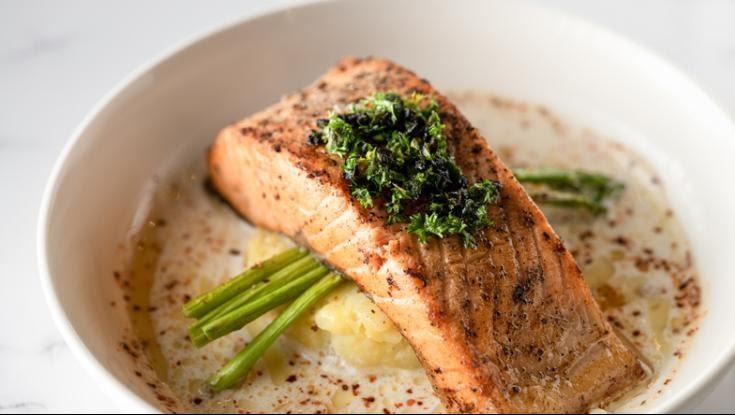
      Salmon

      Salmon comes in quite a few different varieties — canned sockeye salmon, smoked chinook salmon, canned pink salmon, cooked sockeye salmon, cooked pink salmon and even cooked wild coho salmon — and all of them are chock-full of vitamin D. All of these options will help you hit your goals. After all, a three-ounce serving of canned sockeye salmon contains 17.9 mcg of vitamin D, while a three-ounce portion of cooked sockeye salmon contains 11.1 mcg of vitamin D.

      Photo Courtesy: Justin Ong/Getty Images

      Smoked Whitefish

      Want to change up that salmon intake? Whitefish can help with that. While whitefish are a species of fish, the term also refers to a cluster of types of fish, all of which have a mild, slightly sweet flavor. Some of the most popular "whitefish" include pollock, bass, cod, halibut, grouper and haddock. On average, a standard three-ounce serving of smoked whitefish contains an impressive 10.8 mcg of vitamin D.

      Photo Courtesy: Bohemian Nomad Picturemakers/Getty Images

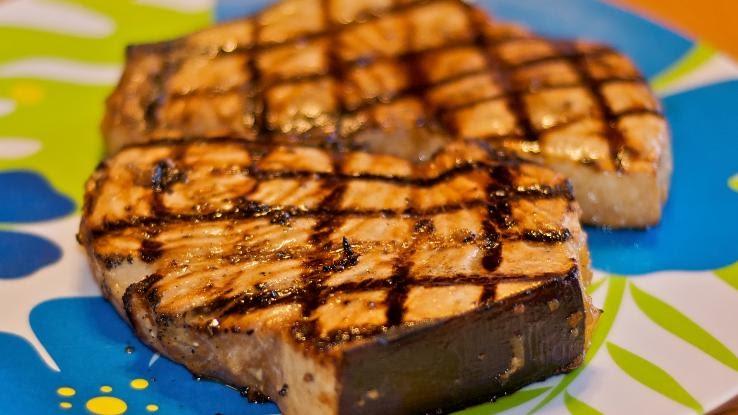
      Swordfish

      If you're looking for a terrific source of vitamin D, and to break up all that whitefish and salmon, try swordfish. These creatures can grow to be a whopping 1,400 pounds — and nearly 15-feet in length. While you wouldn't want to tangle with one of these in the ocean, encountering it as a nice, grilled steak is a treat. Best of all, a three-ounce portion will provide you with 14.1 mcg of vitamin D.

      Photo Courtesy: Shawn Miller/Getty Images

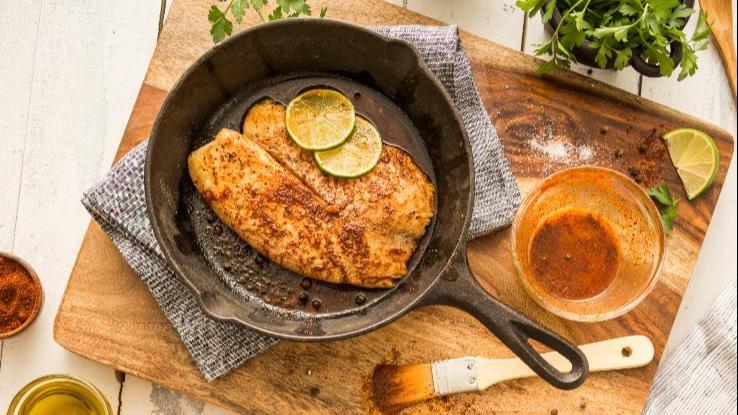
      Tilapia

      Tilapia is a cluster of fish species that aren't found in nature. That is, tilapia is a farmed fish, which makes it pretty inexpensive. This mild species is the fourth most common type of seafood eaten by Americans, in part because of its versatility. We recommend a nice herb-and-parmesan crust, but, any way you slice it (or season it), a three-ounce portion will provide you with 3.1 mcg of vitamin D.

      Photo Courtesy: Mike Kemp/Getty Images

      Canned Tuna

      Not into canned food? Well, canned fish should probably be your exception. In fact, canned tuna, in addition to being readily available and inexpensive, can make an abundance of tasty meals, from tuna salad and melts to casseroles. Best of all, a three-ounce serving of light tuna canned in oil contains about 5.7 mcg of vitamin D.

      Photo Courtesy: LauriPatterson/Getty Images

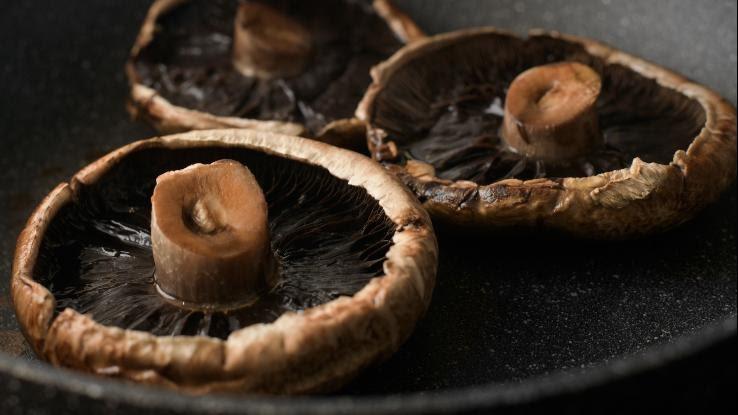
      Mushrooms

      The five fish options we've listed above might not have surprised you, but this one might. Many varieties of mushrooms — including portabella, cremini, morels, chanterelles, maitake, and even your basic white button mushrooms — are excellent sources of vitamin D. In fact, half a cup of grilled portabella mushrooms delivers an impressive 7.9 mcg of vitamin D.

      Photo Courtesy: Robert Lowdon/Getty Images

      Eggs

      Eggs — and, in particular, egg yolks — are one of the easiest, cheapest and quickest ways to nab some vitamin D. However, they may not be the food of choice for folks with high cholesterol. If your diet allows, whip up two scrambled eggs and enjoy getting 5% of your recommended daily intake of vitamin D first thing in the morning.

      Photo Courtesy: valentinrussanov/Getty Images

      Milk

      Milk is more than just a great source of calcium. In fact, vitamin D is among its significant nutritional benefits. When it comes to a 16-ounce serving of cow's milk, the vitamin D content varies based on the milk's composition. For example, whole milk contains 6.3 mcg of vitamin D, while 2%, 1% and skim milk all contain 5.9 mcg. Even soy and dehydrated (powdered) milk will help you reach your goals by providing 5.8 mcg and 3.4 mcg of vitamin D respectively.

      Photo Courtesy: JW LTD/Getty Images

      Yogurt

      Milk is not the only dairy product capable of delivering some serious vitamin D benefits. Of course, the nutritional value of yogurt changes depending upon the variety. For example, Greek-style yogurt contains more protein and less sugar than other types of yogurt. Nonetheless, you can still expect anywhere from 2 to 3 mcg of vitamin D per eight-ounce serving, regardless of the variety of yogurt.

      Photo Courtesy: Westend61/Getty Images

      Pork

      So far, you've seen lots of fish and dairy options. You might be wondering, Where's the meat? Well, generally speaking, beef and chicken are not great sources of vitamin D. In fact, if you're a meat lover in search of some vitamin D, pork is your best bet. The nutritional value of pork varies depending upon the cut, method of preparation and more, but you're likely to find between 0.2 to 2.2 mcg of vitamin D in a standard three-ounce serving of pork.

      Photo Courtesy: EasyBuy4u/Getty Images

      Resource Links:

      • The U.S. Department of Health and Human Services and Department of Agriculture's Dietary Guidelines for Americans
      • The National Institutes of Health (NIH)

      MORE FROM SYMPTOMFIND.COM

      Is Omega 3 And Vitamin D The Same

      Source: https://www.symptomfind.com/health/vitamind-foods?utm_content=params%3Ao%3D740013%26ad%3DdirN%26qo%3DserpIndex

      Share:

      Recent Posts

      banner